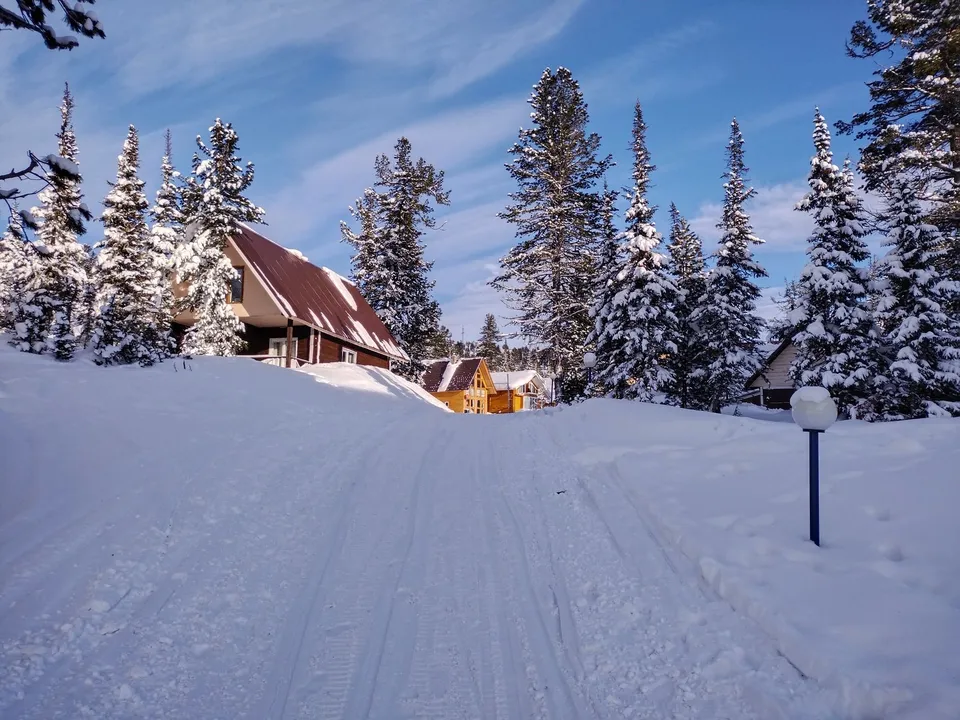
The season tells you what the job really is
At a remote North Shore property, the title on the posting can tell you less than the season and the setting. Golden Eagle Lodge’s employment page says the Flour Lake business sits 27 miles outside Grand Marais, typically has six to eight employees, offers staff housing at about $150 a month, and expects workers to have their own vehicle because there is no public transportation on the Gunflint Trail. That is a very different work setup from a town job where you can count on a short drive, a larger staff and a separate apartment search.
The practical question is not just, “What is the title?” It is, “What changes when the property moves from summer to shoulder season or winter?” Golden Eagle describes itself as a summer resort and campground plus a winter Nordic ski center, and its listed duties include lawn mowing, boat cleaning, wood handling, campground maintenance, trail work and housekeeping. That mix shows how a single property can shift from water and cabin work to trail and snow-season work without changing its address.
Read the handoff, not the label
A good resort job description should make the handoffs visible. If a guest arrives to an unready cabin, someone has to notice, report it, and fix it. If a dock or trail needs attention, someone has to decide whether that belongs to grounds, maintenance or recreation. The point is not that every worker should do everything; it is that the property should say where responsibility begins and ends. Golden Eagle’s page is unusually concrete about cross-training, physical demands and the fact that the owners themselves help with housekeeping, which signals a small-property model rather than a hotel-style department structure.
That distinction matters because a cross-trained employee is not automatically authorized for specialized work. In food service, the Minnesota Department of Health’s Certified Food Protection Manager page explains that most food establishments must have a certified manager, and that certification involves approved training, an exam, a fee and renewal requirements. A kitchen orientation may teach how a property operates, but it is not the same thing as holding the certification that carries food-safety authority.
Why the local numbers matter
Northern Minnesota housing and commute patterns help explain why a resort offer can rise or fall on details that would be minor in a city. DEED’s county profiles report median monthly rent of 971 in Crow Wing County** and **886 in Cook County, with 44.5% and 41.0% of renters, respectively, spending at least 30% of household income on rent. Those are county household figures, not resort housing prices, but they show why staff housing can be a deciding factor in some parts of the region.
The commute picture is just as revealing. In the same county profiles, 84.1% of Crow Wing County resident workers worked within the county and 83.0% traveled by car, truck or van, while Cook County reported 69.1% traveling by car, truck or van and 21.6% working at home. Those numbers do not describe resort employees specifically, but they do show that rural hospitality work depends on real transportation capacity, not just willingness. If a property is far from town, the schedule and the vehicle expectation are part of the offer whether the posting says so plainly or not.
A simple way to evaluate the offer
Before you say yes, ask four questions:
- What season or seasons does this role actually cover?
- Which tasks are routine, and which ones are backup coverage?
- Is housing tied to the job, and what does it cost?
- Does the role require a vehicle, a certification, or both?
Those questions help you separate a small-property role from a larger hotel job, and summer work from year-round work. They also protect you from assuming that one busy month describes the whole position. DEED’s Northeast Minnesota labor data show that accommodation and food services remain a major part of the regional economy, but the work is still shaped by property type, geography and season.
The bottom line
A remote resort job is easiest to understand when you treat the posting as a map of responsibilities, not just a title. The best offers explain the season mix, the exact worksite, the housing arrangement, the transportation expectation and where authority actually sits. If you are comparing openings, ask for those details in writing before you decide.
If you want help sorting a northern Minnesota hospitality role by season, commute and fit, share your availability and preferred location with Express, or call 218-WorkNow.