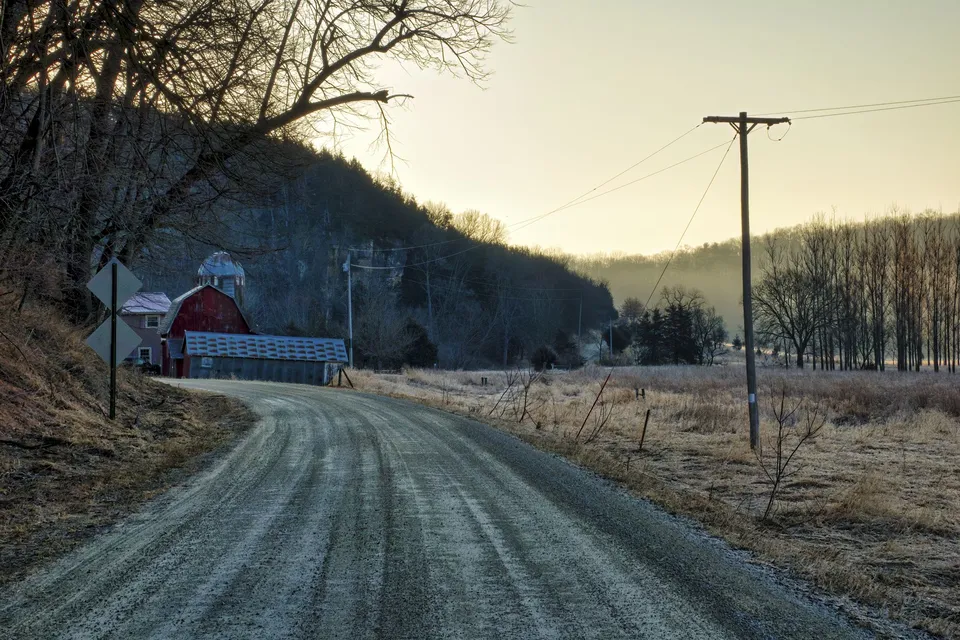
At a remote Gunflint Trail resort, the first hiring question is often not whether a person can do the work. It is whether they can actually get to the work, stay through the season, and understand how the property expects duties to shift from day to day. One documented northern Minnesota example says the site is 27 miles from Grand Marais, has no public transportation on the Gunflint Trail, offers staff housing at about $150 a month, and expects employees to have their own vehicle. The same employer says its team usually runs six to eight people and that the property operates as a summer resort and campground and a winter Nordic ski center.
Access is part of the job design
That kind of property does not recruit from the same labor pool as a town hotel. Cook County’s 2020–2024 ACS profile, reproduced by DEED, shows a median monthly rent of $886 and a renter cost-burden rate of 41.0%, but it also shows that 69.1% of resident workers travel by car, truck, or van and that the county’s mean commute is 16.6 minutes. Those figures describe local households, not resort vacancies, yet they help explain why a remote trail property cannot assume a worker can take a bus, walk from town, or make a late shift without a vehicle. A county average is still an average; it does not guarantee a specific opening or closing shift can be covered on time.
For a more urban comparison, Crow Wing County’s profile shows a much larger resident workforce base, with 84.1% of resident workers working within the county and 83.0% traveling by car, truck, or van. That does not make a Brainerd-area job identical to one on the Gunflint Trail; it just shows how differently access can work from one part of northern Minnesota to another. A remote resort is not only selling hours and pay. It is also asking for a transportation plan.
What a remote resort employer should spell out
A good ad for a small northern Minnesota resort does not need to read like a legal brief, but it does need to make the hidden logistics visible. Golden Eagle’s employment page is useful because it names several of the things many ads leave vague: it says the operation cross-trains workers, lists the property’s distance from Grand Marais, says employees need their own vehicle, and gives a concrete housing arrangement rather than a vague promise of “housing available.”
That level of specificity matters because the work mix is not generic. The same page says staff may help with lawn mowing, boat cleaning, wood handling, campground maintenance, trail work, and housekeeping. That is a very different job shape from a desk-only role or a single-department town hotel position. At a small property, “help out where needed” can be a fair expectation, but only if the employer names what that means in practice. A candidate who believes they are applying for an outdoor role should not discover later that cabin turnover, laundry, and guest-service handoffs are routine parts of the week.
The schedule matters too. Golden Eagle says its typical workweek is five eight-hour days with two consecutive days off. That is a useful detail not because every northern Minnesota resort uses the same pattern, but because it tells applicants what kind of recovery time and predictability a small property may offer. One of the most common hiring mistakes in remote hospitality is selling the job with a broad title and then filling in the real schedule only after the candidate has already pictured the role.
Cross-training is useful only when authority is clear
Cross-training is a strength when it helps a small team cover peaks, weather changes, and turnover days. It is a problem when it becomes a substitute for role clarity. On a six-to-eight-person team, a worker might be asked to do a little of everything, but that does not mean every task carries the same responsibility or the same level of training. The research materials distinguish between guest-facing work, housekeeping, maintenance, grounds, marina, and recreation duties for a reason: different tasks require different competence and different degrees of supervision.
That distinction is important for both sides of the hiring table. An applicant with strong housekeeping experience can probably adapt faster to cabin turnover than someone who has only done retail. A worker with boat experience may fit outdoor support work better than someone who has never handled dock-side equipment. But none of that automatically authorizes a person to supervise food safety, make maintenance decisions, or step into a specialty task without training. In other words, cross-training can widen the job, but it should not blur the line between “can help” and “is responsible.”
Questions applicants should ask before they say yes
If you are applying for a remote resort job, the smartest questions are usually the practical ones:
- How far is the property from the nearest town?
- Is a personal vehicle expected every day?
- What does staff housing actually include, and what does it cost?
- Are the duties mainly one department, or several?
- Does the season change the job mix?
- Are the days off consecutive, and are they reliable?
- Is the housing for workers, or just a guest cabin with a good description?
Those questions are not picky. They are how you avoid accepting a job that looks right on paper but becomes difficult once the first snow, late dinner rush, or weekend turnover arrives. A property can be beautiful and still be a hard commute. A housing offer can be real and still not solve the vehicle problem. A “cross-trained” team can still have very different expectations for different roles. The more remote the site, the less useful vague promises become.
What this means for employers
For employers, the lesson is simple: do not hide the logistics. If the role requires a vehicle, say so. If staff housing is shared, say so. If the job changes with the season, say that too. If the work will include boats, trails, housekeeping, or campground upkeep, describe the mix instead of assuming people will infer it from the title. Northern Minnesota candidates are often willing to do real work in exchange for a real opportunity, but they need the whole offer, not just the headline.
For applicants, the same rule applies in reverse. The right question is not just, “Do I want this job?” It is, “Can I get there, live there, and do the actual work the property needs?” That is especially true at remote resorts, where the commute, the housing, and the seasonal handoffs are part of the job whether they appear in the first sentence or not.
If you are hiring, share the duties, site location, dates, and coverage needs early. If you are applying, share your availability, vehicle situation, and the kind of work mix you can handle. A clear conversation at the start usually saves both sides time later. If you want to talk through a northern Minnesota resort opening, call Express or email grandrapidsmn@expresspros.com. If you are looking for work, send your resume to apply@expressprosmn.com.